Kirkin' O' The Tartan
The Kirkin’ o’ the Tartan is a ceremonial blessing of the tartans—woven clan patterns that symbolize Scottish heritage. Although often believed to be an ancient Highland ritual, the tradition as practiced today is actually a modern Scottish-American creation rooted in both history and legend.
Origins and the Legend
The story most often told traces the Kirkin’ to the 18th century after the Jacobite uprising of 1745. Following the defeat of Highland forces, the British government imposed strict laws to suppress Highland culture. According to popular tradition, Highland Scots secretly hid small pieces of tartan and brought them to church to be quietly blessed as an act of faith and cultural resistance.
While historians note that this exact practice is more legend than documented fact, the story reflects a real historical truth: Highland culture—including tartan dress—was heavily restricted in Scotland during this era, and the survival of Scottish identity became deeply tied to symbols like clan tartans.
Creation of the Modern Ceremony
The Kirkin’ as we know it today began in the United States during the mid-20th century. In 1941, Rev. Peter Marshall, a Scottish immigrant and minister in Washington, D.C., introduced a service celebrating Scottish heritage at New York Avenue Presbyterian Church. Marshall wanted a meaningful way for Scottish Americans to honor their ancestry within a Christian worship setting.
This new service blended:
- Scottish music and hymns
- Bagpipes and traditional dress
- Clan participation and tartan displays
- A formal blessing of tartans
From this point forward, the Kirkin’ became a distinctly Scottish-American tradition rather than a direct continuation of an ancient Highland practice.
Growth in North America
After World War II, the ceremony spread widely across the United States and Canada. Scottish societies, Presbyterian churches, and Highland Games began incorporating the Kirkin’ into their annual events.
It became especially popular in areas with strong Scottish heritage communities, where clans and cultural organizations sought ways to preserve identity and pass traditions to younger generations.
The Ceremony Today
In the modern era, the Kirkin’ o’ the Tartan is both religious and cultural. While often held in churches—particularly Presbyterian congregations—it is not limited to any single denomination. Many services are ecumenical and welcome anyone interested in Scottish heritage.
A typical Kirkin’ service today includes:
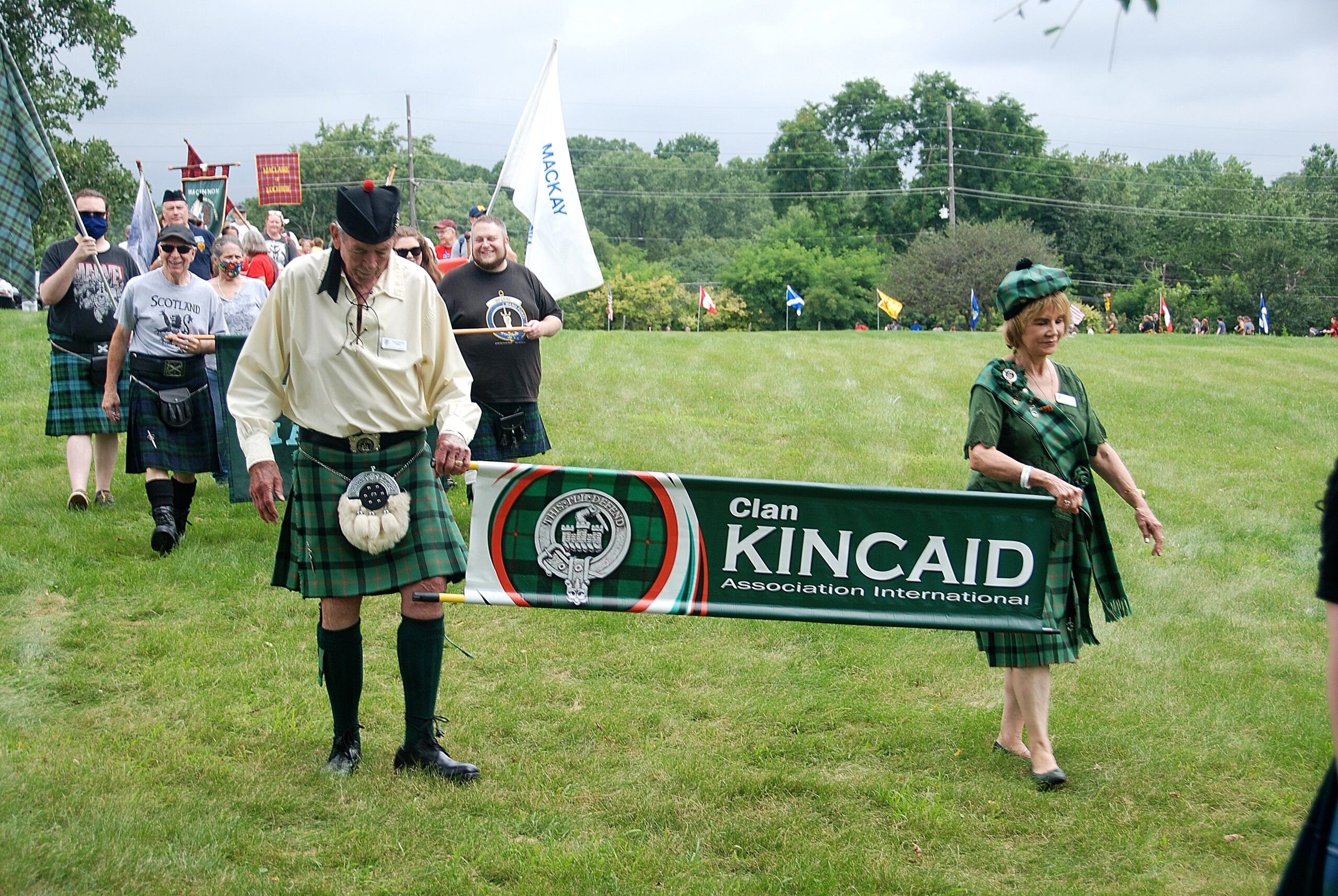
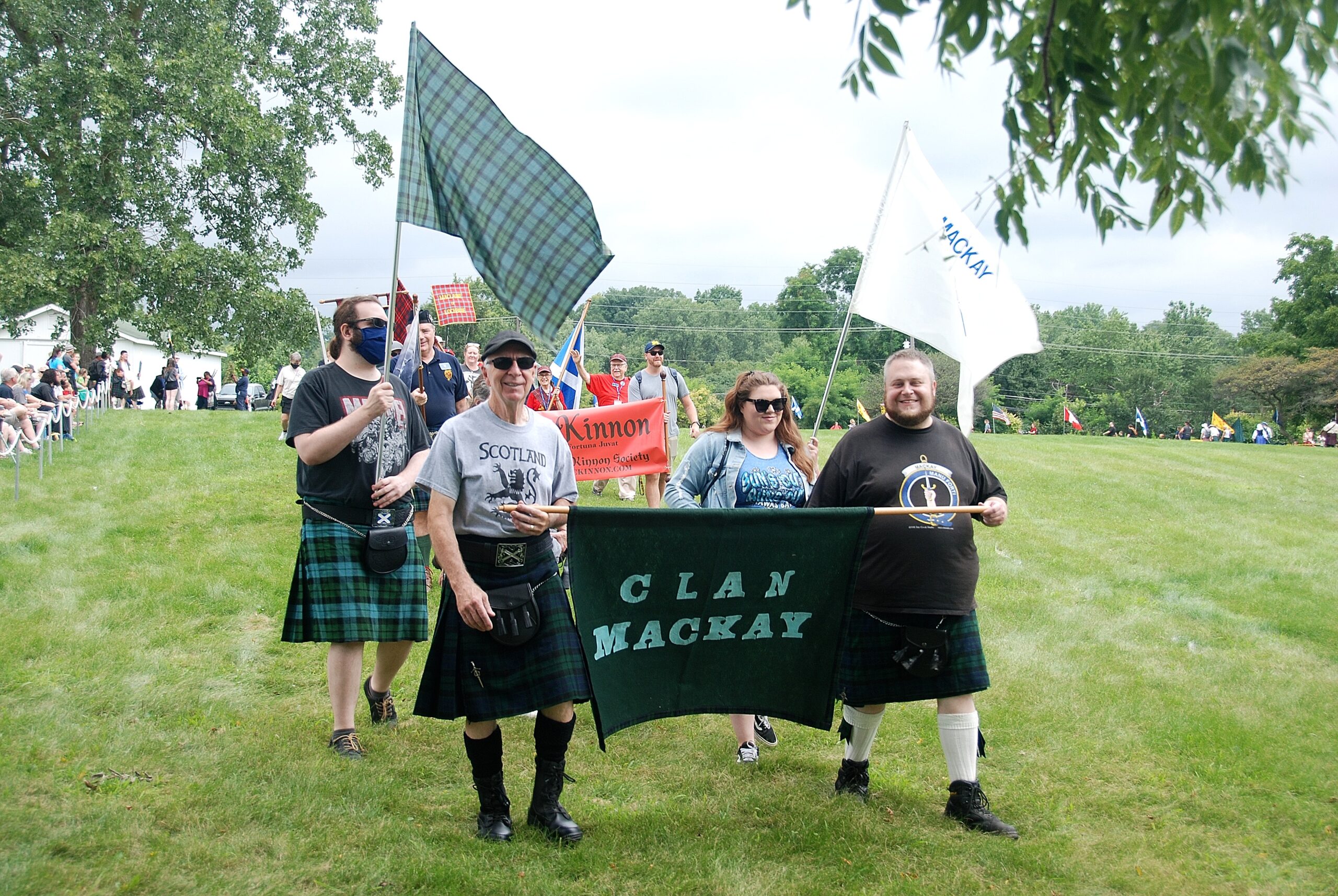
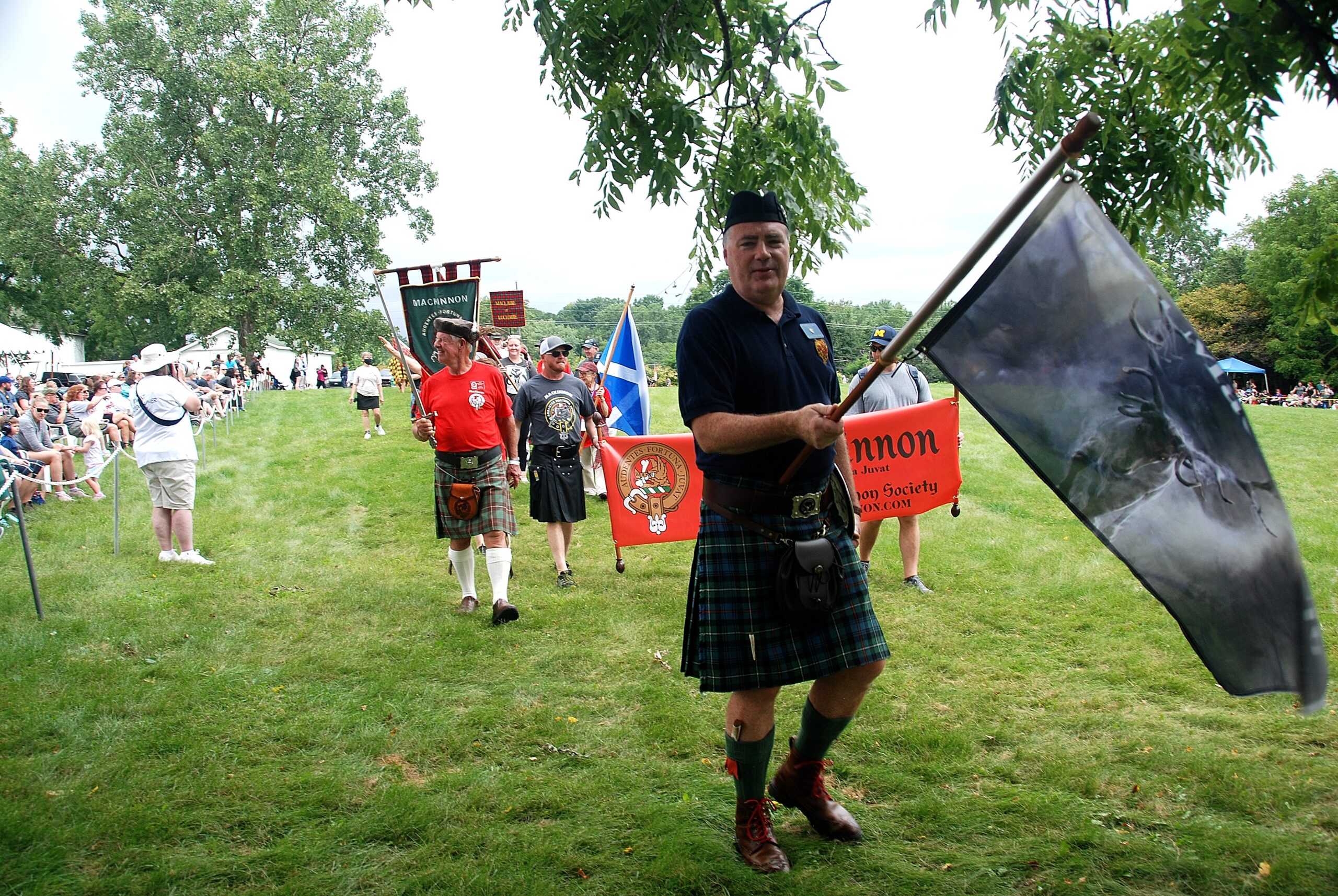
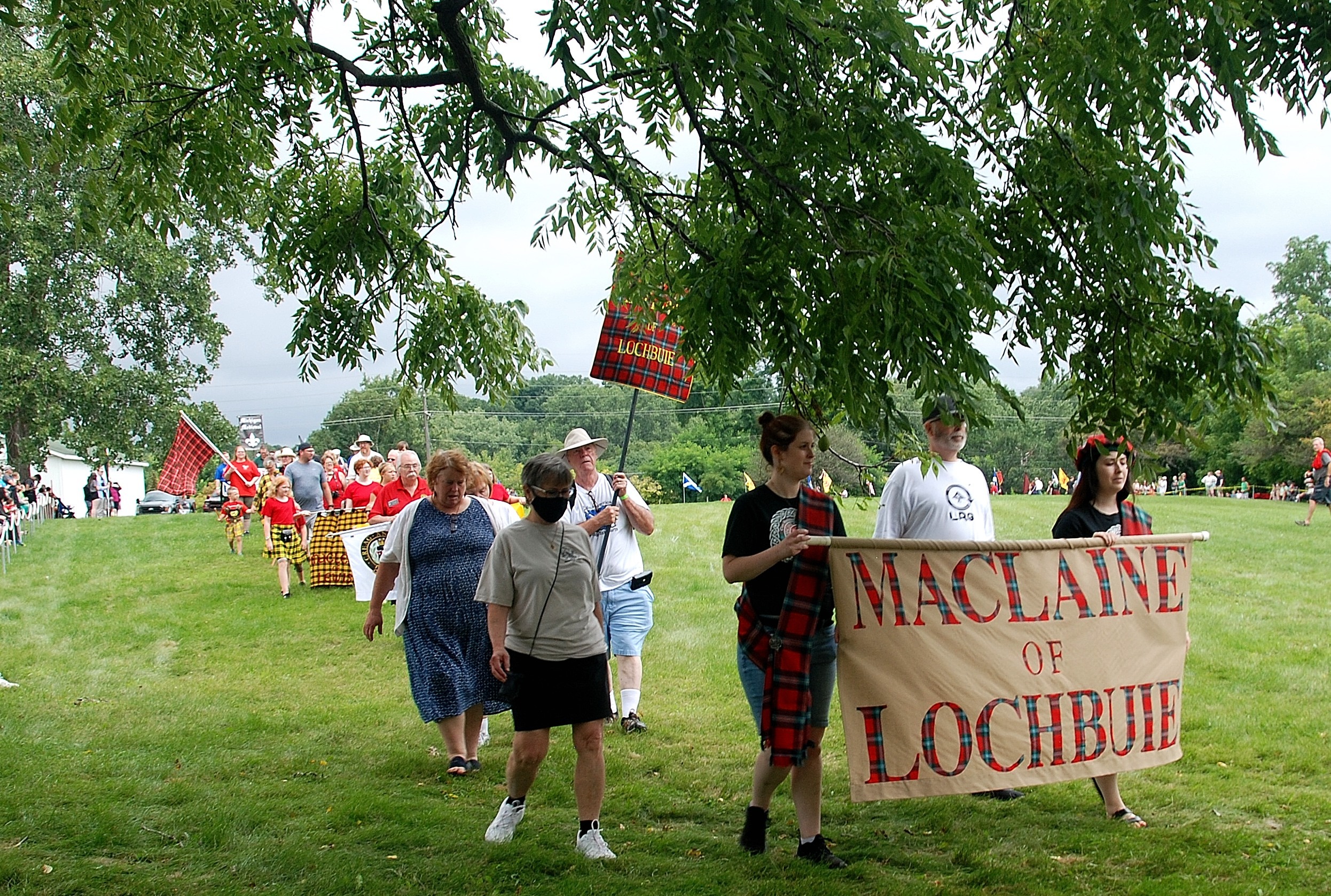
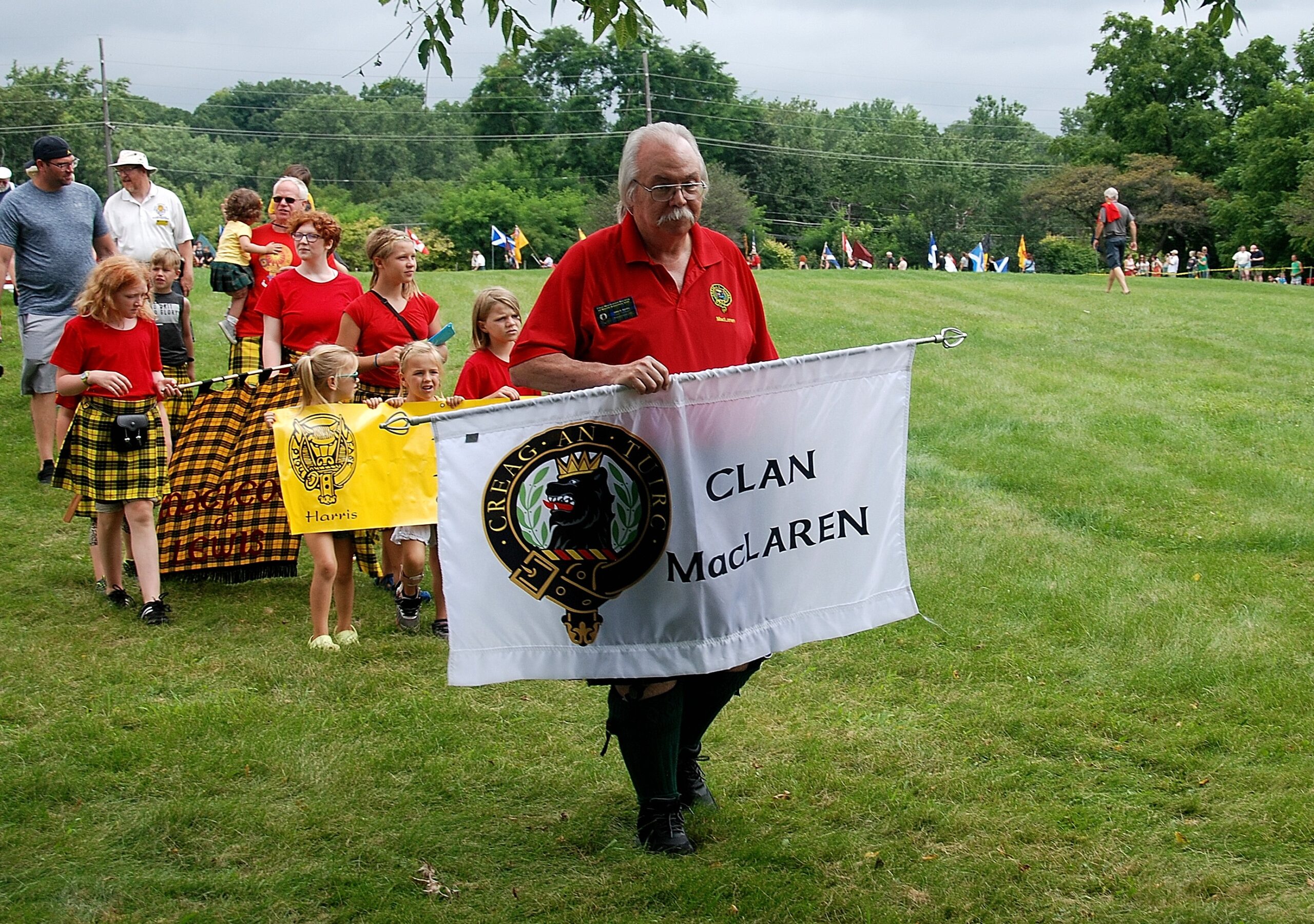
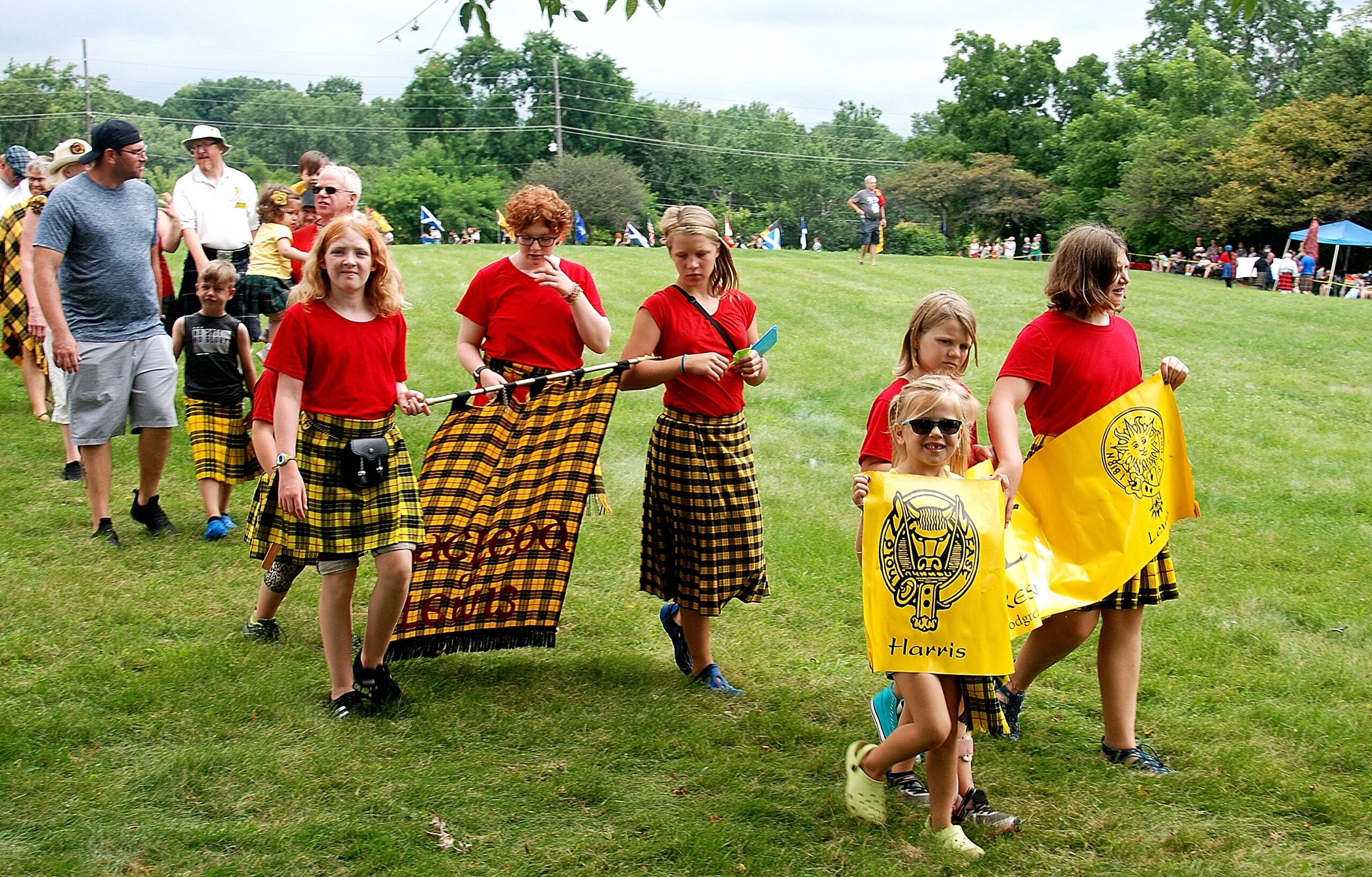
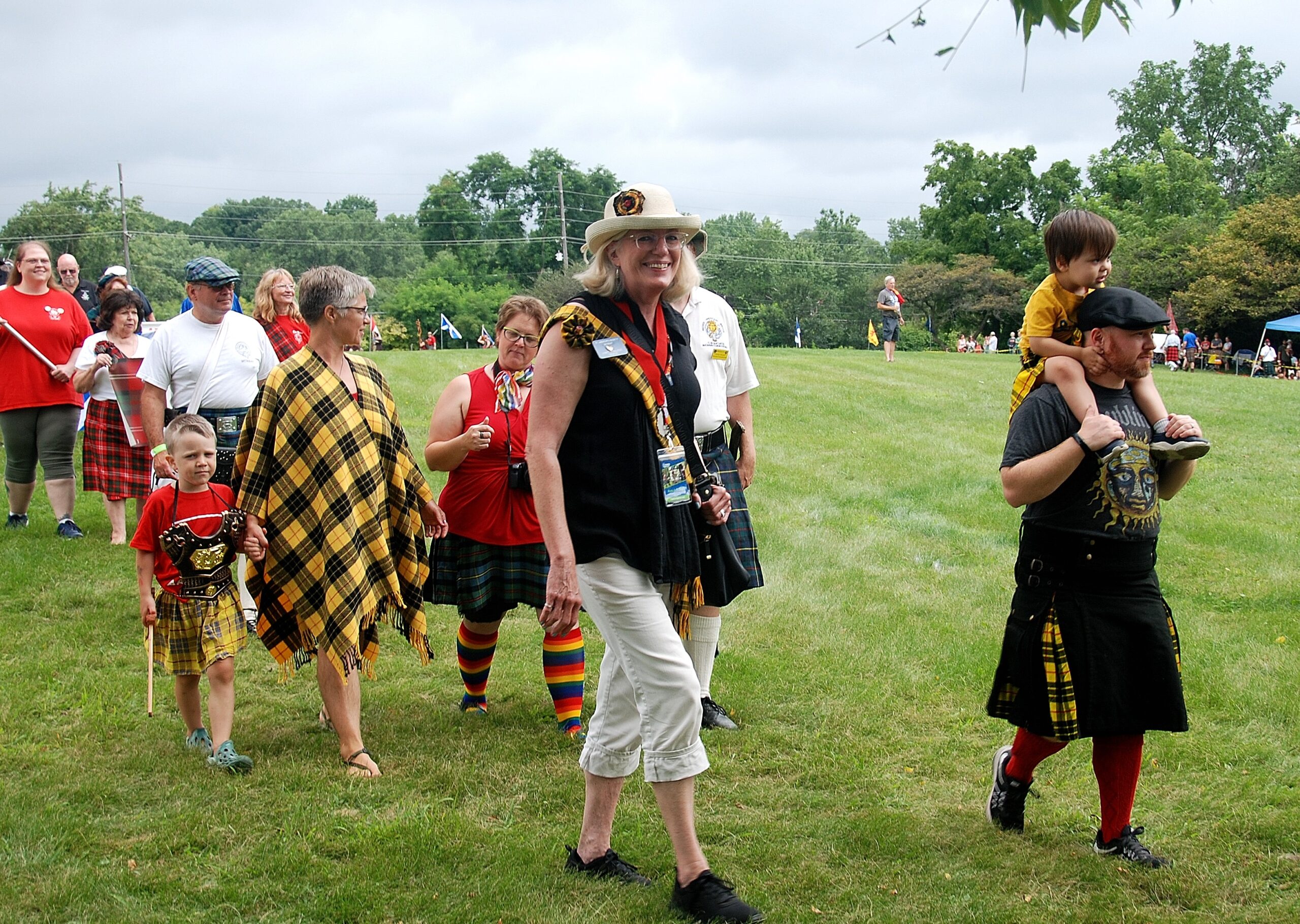
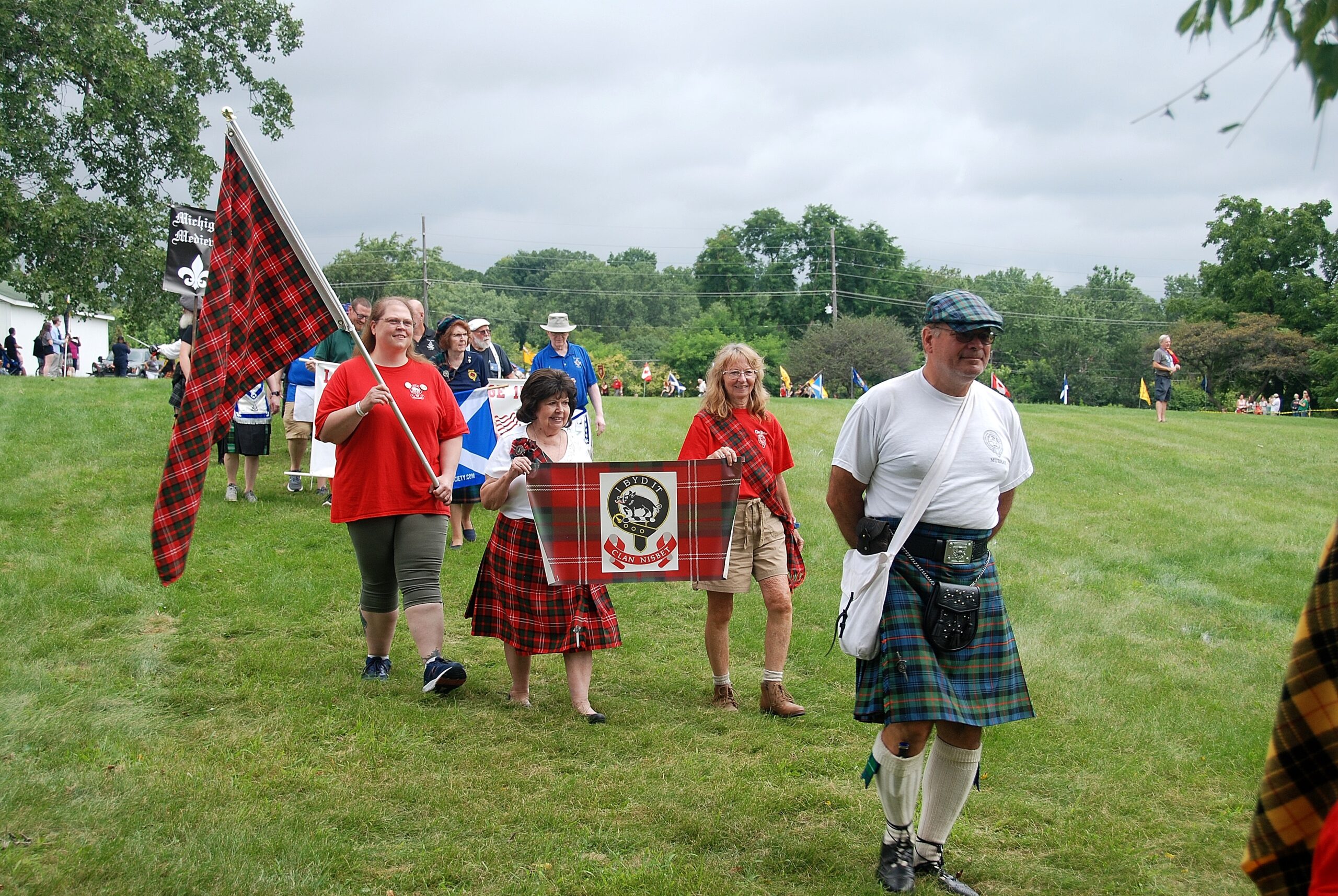
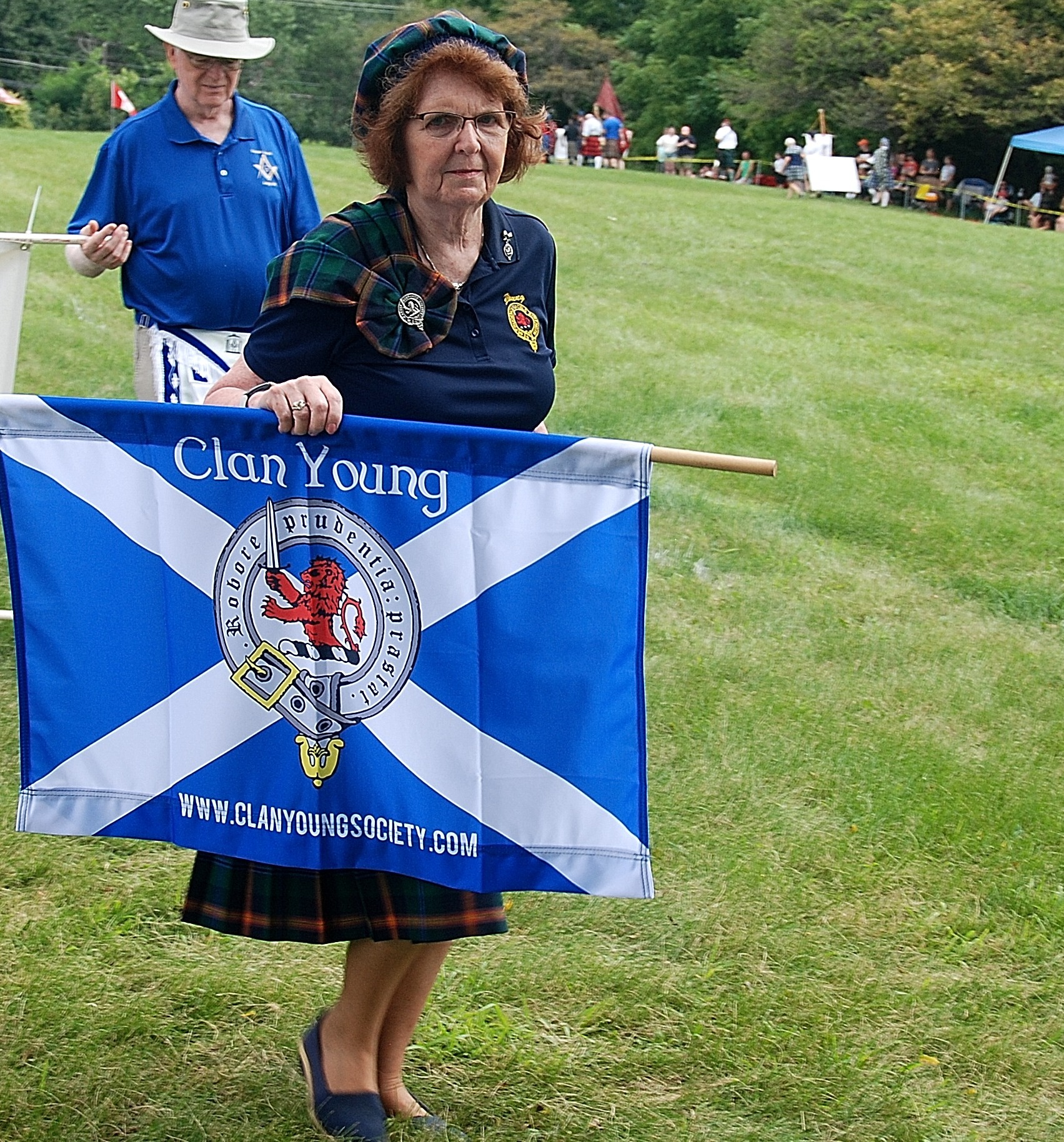
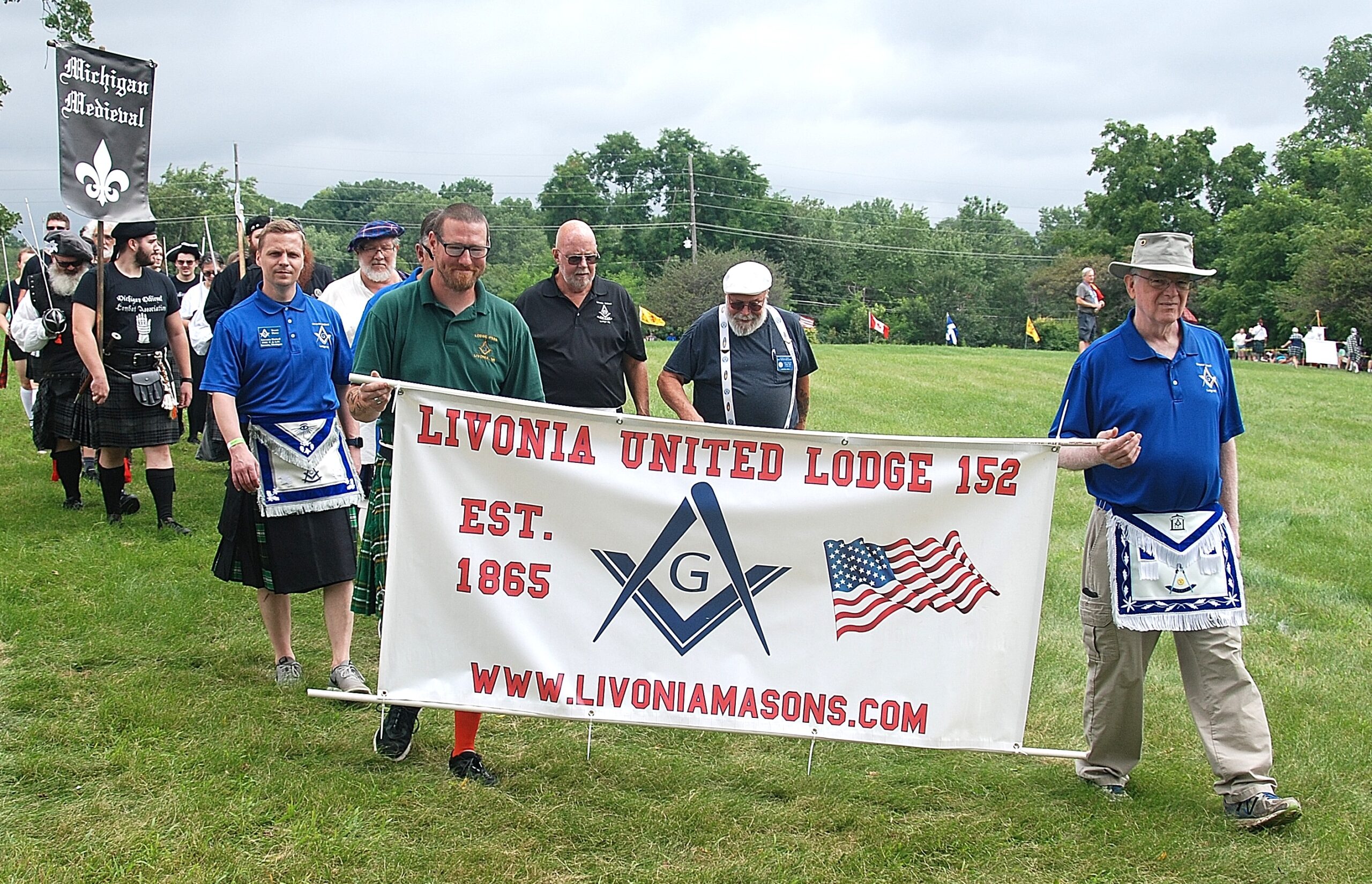
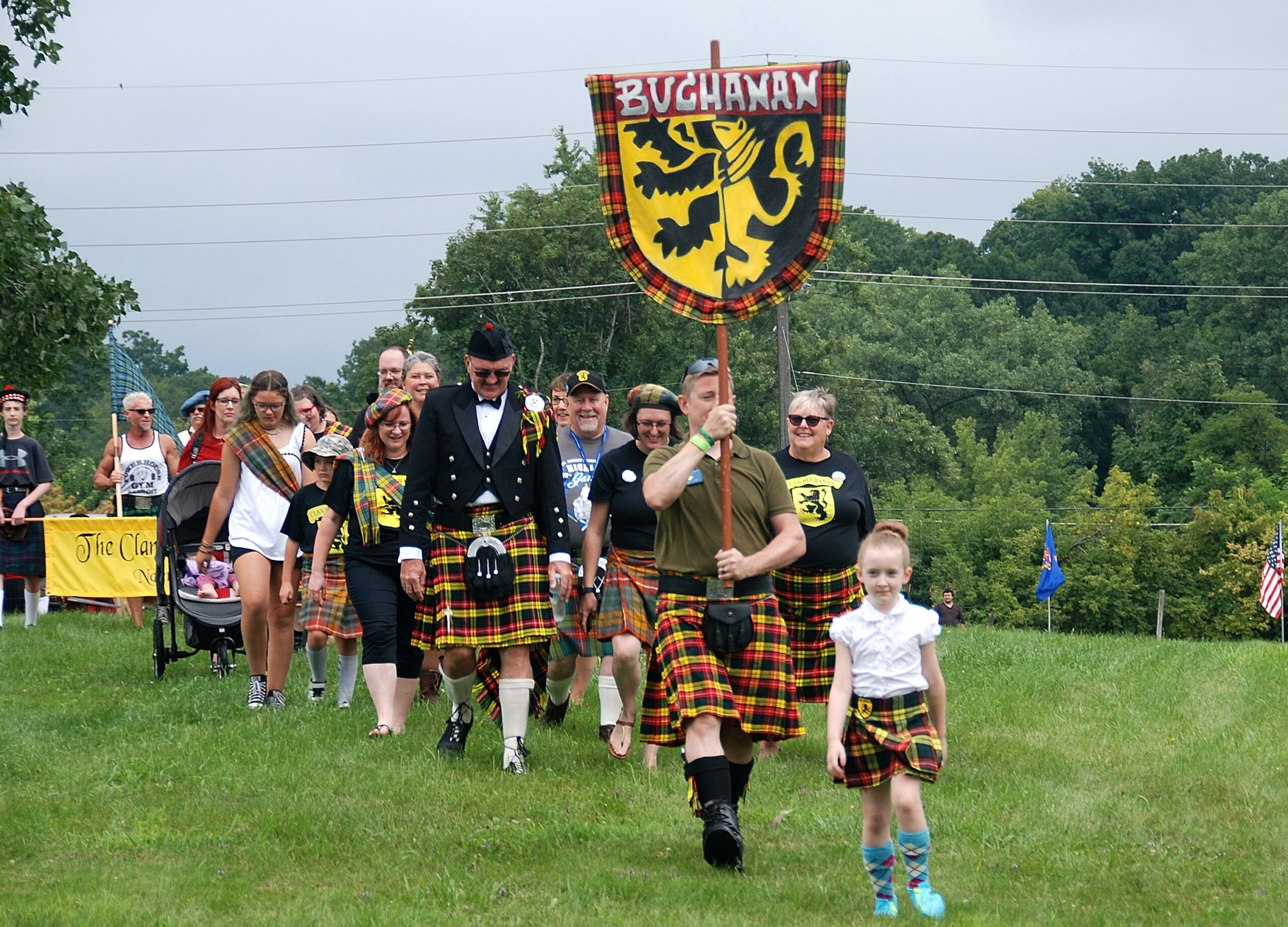
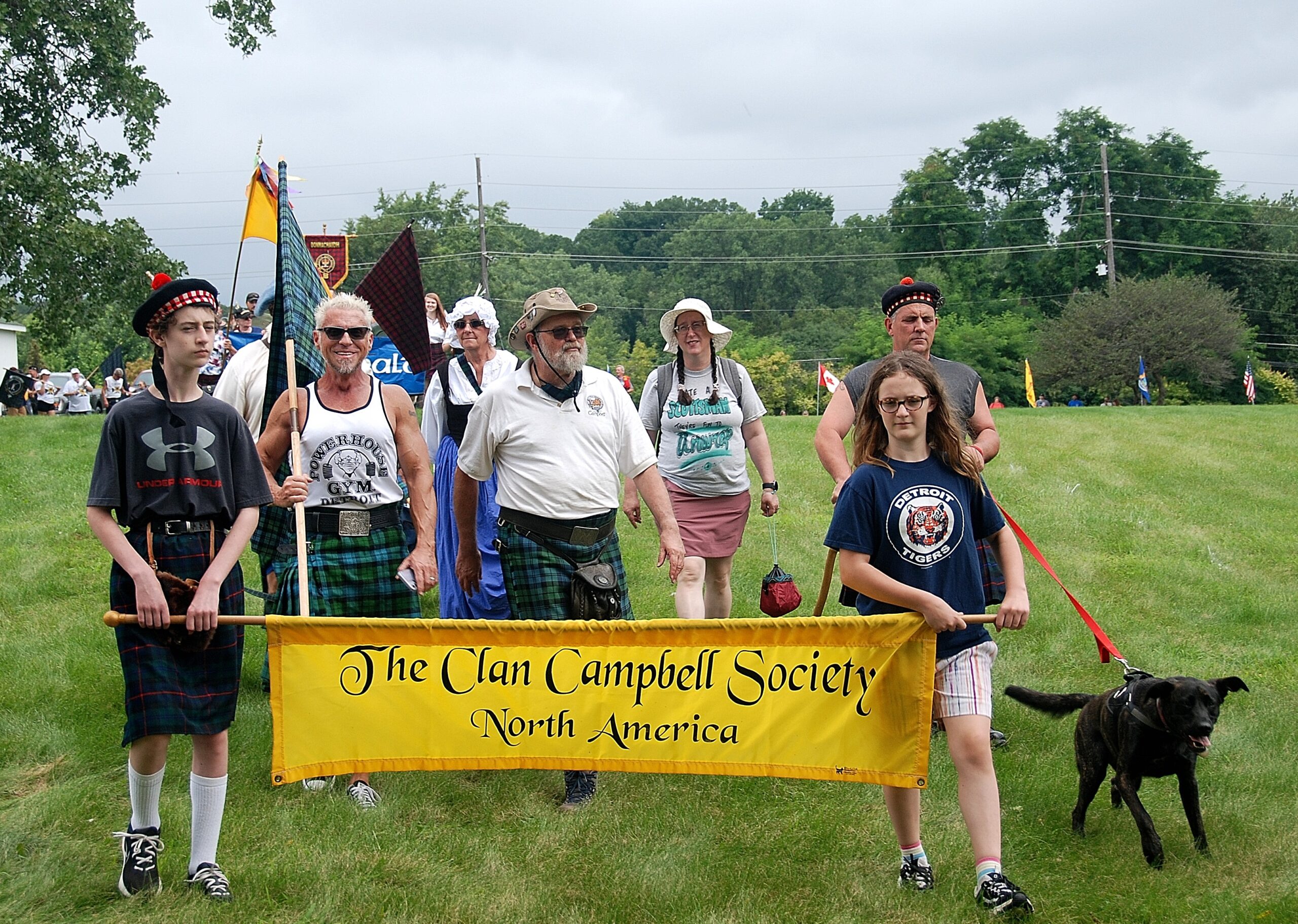
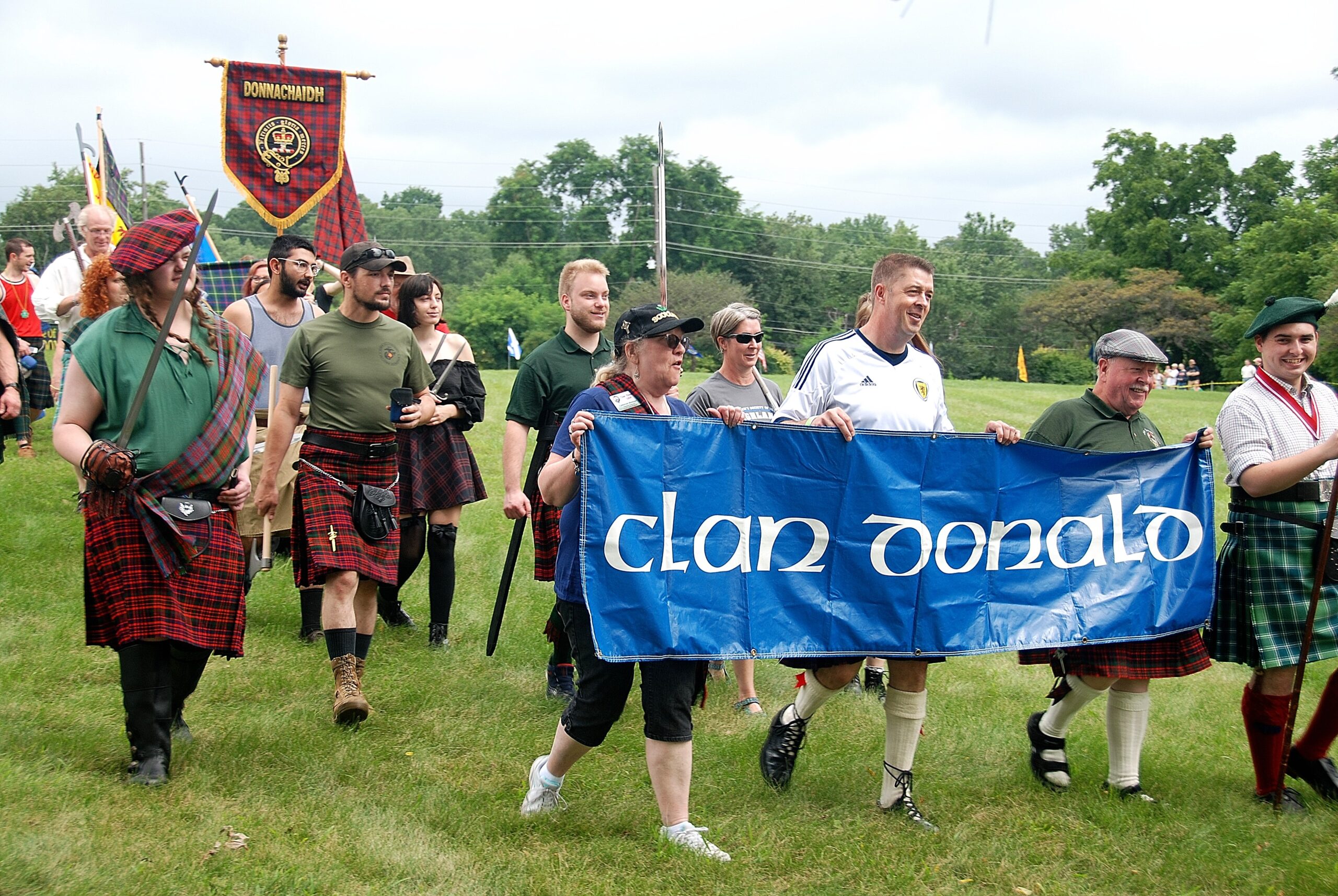
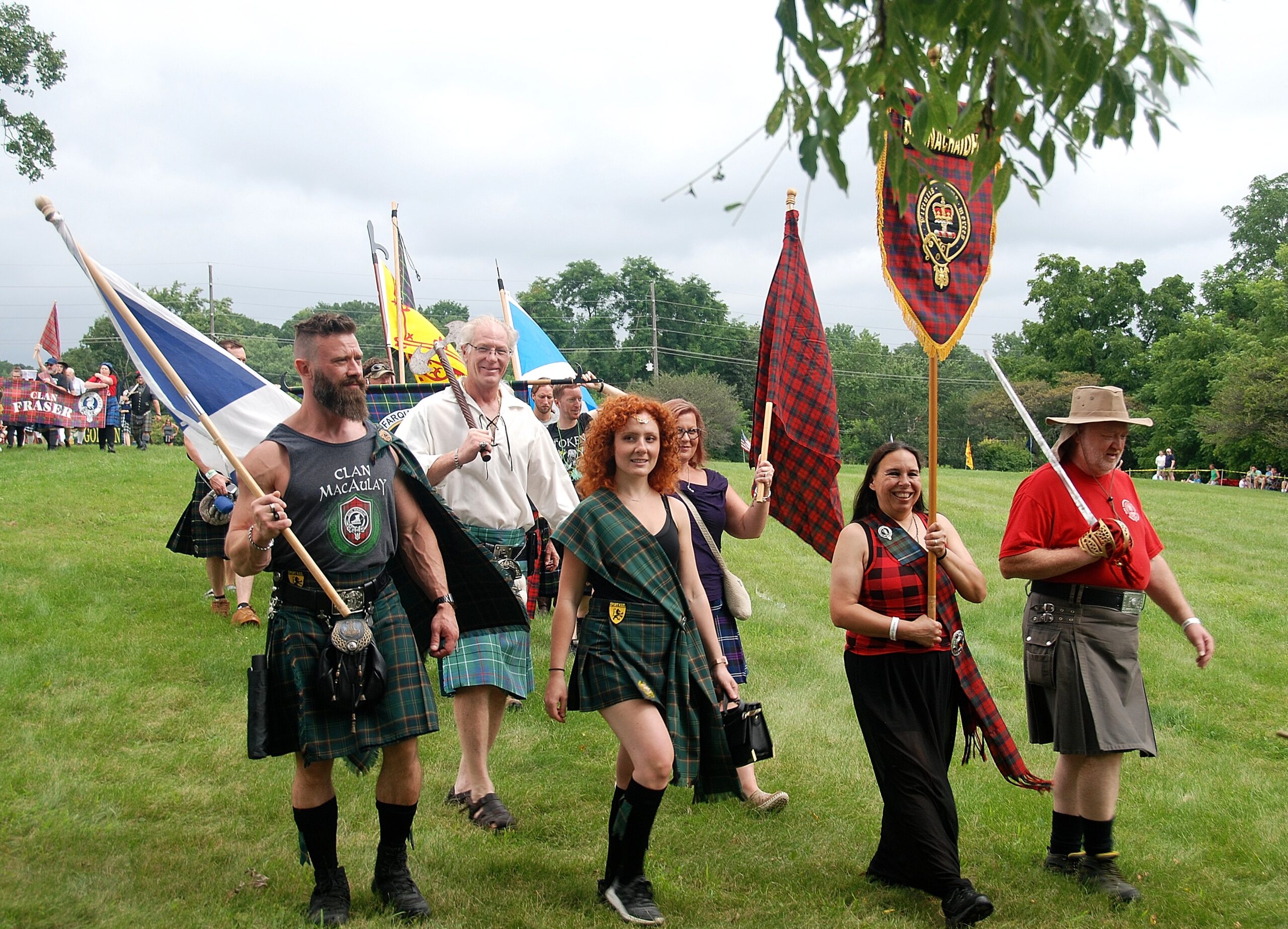
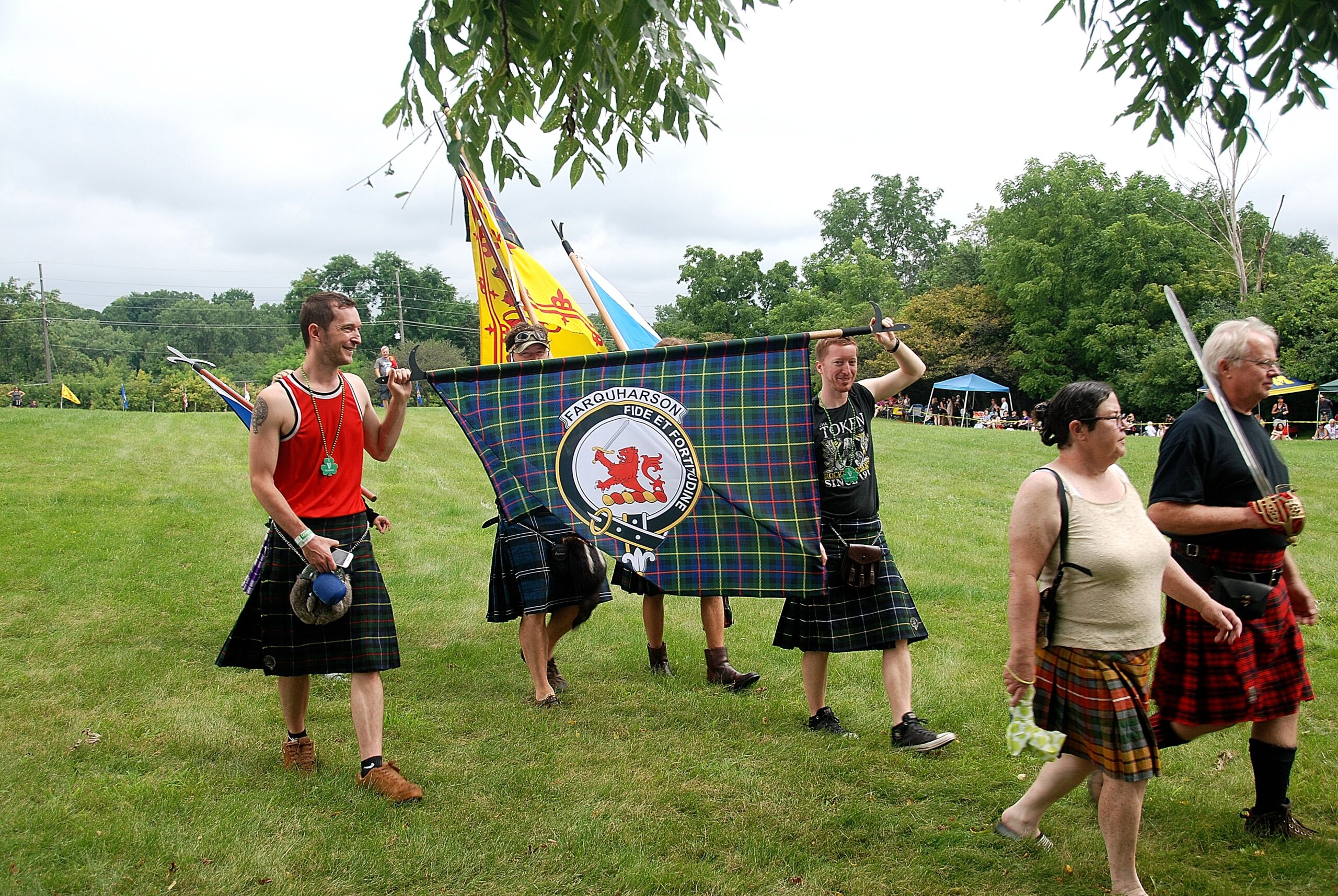
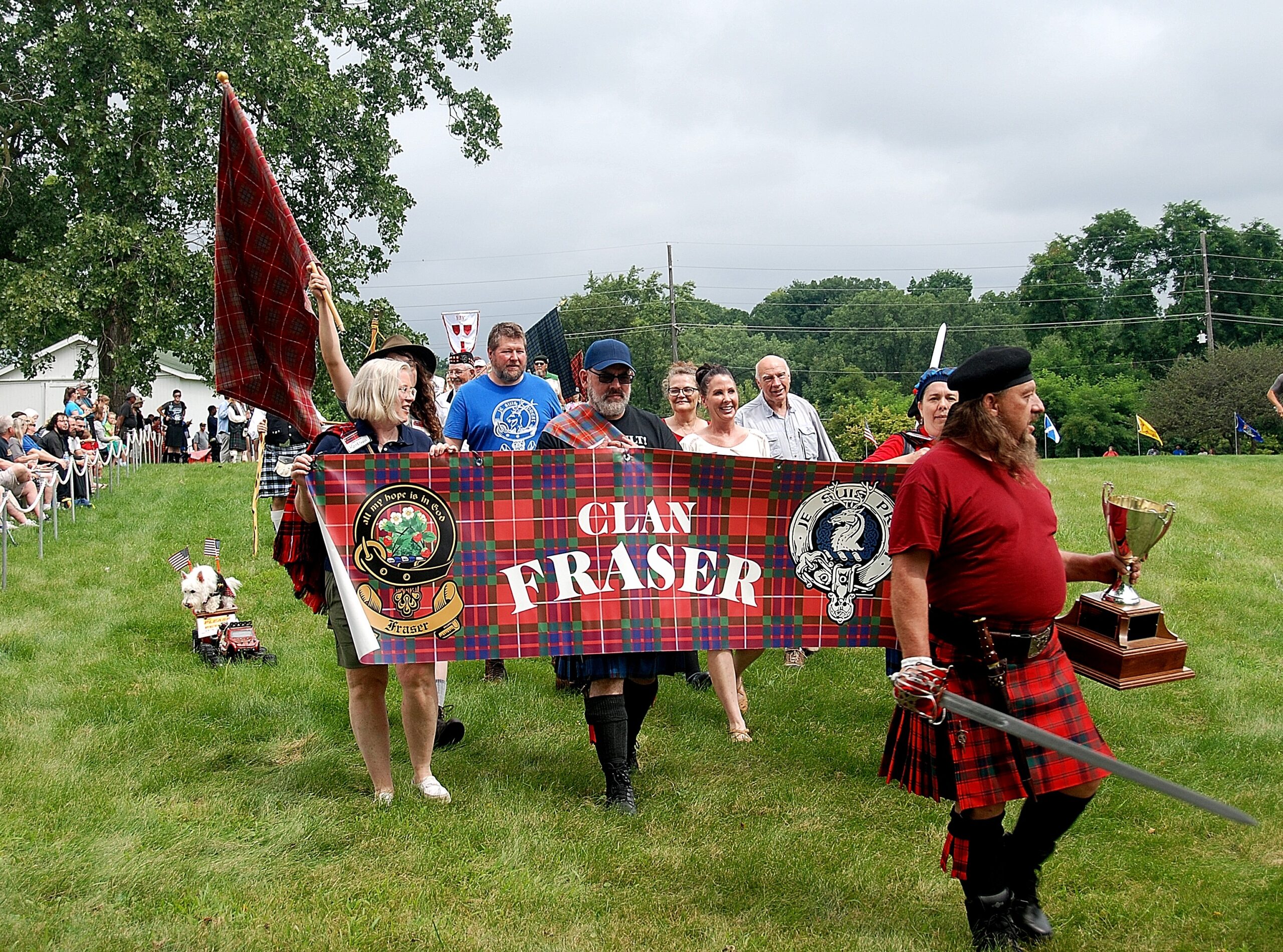
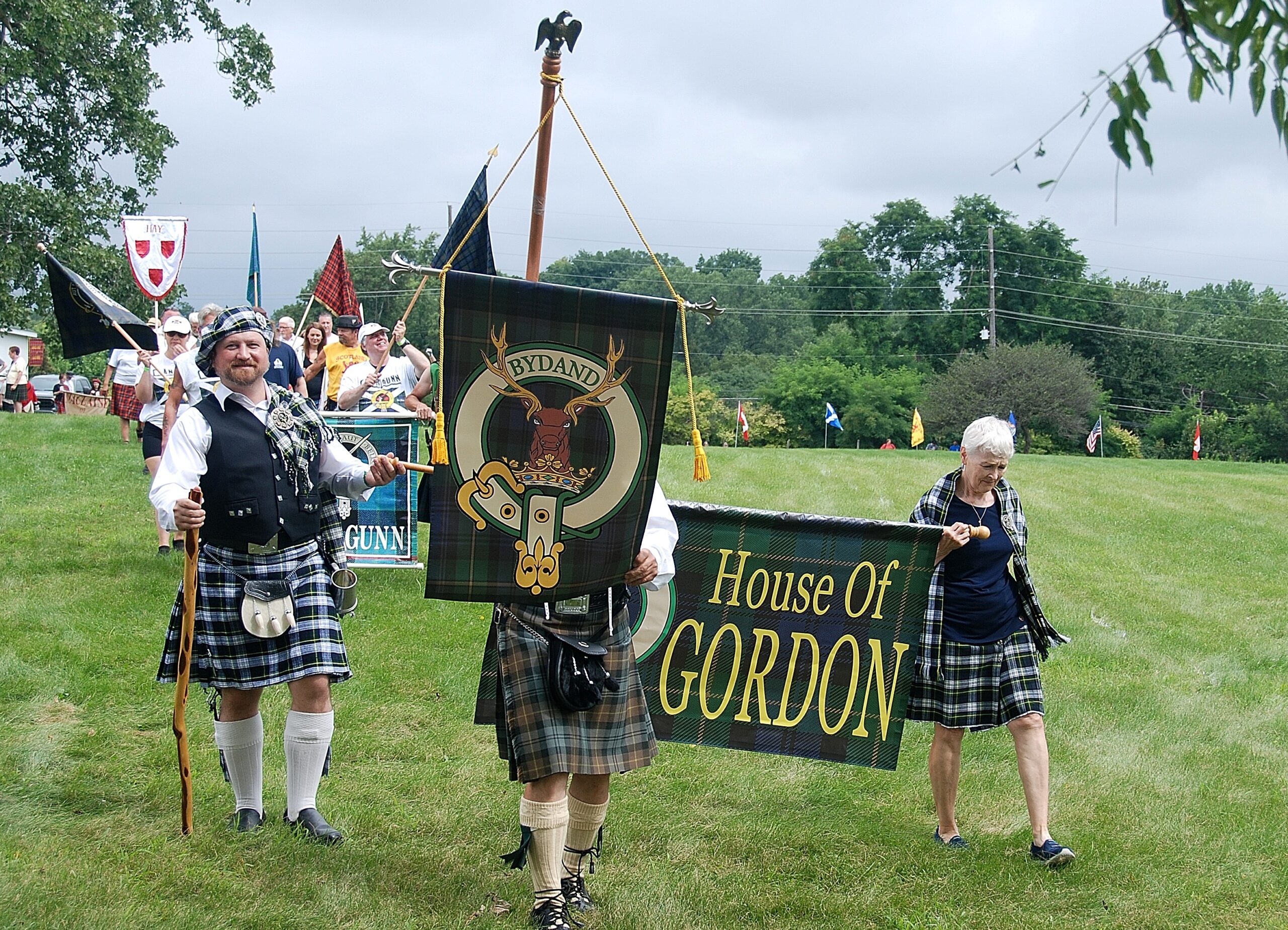
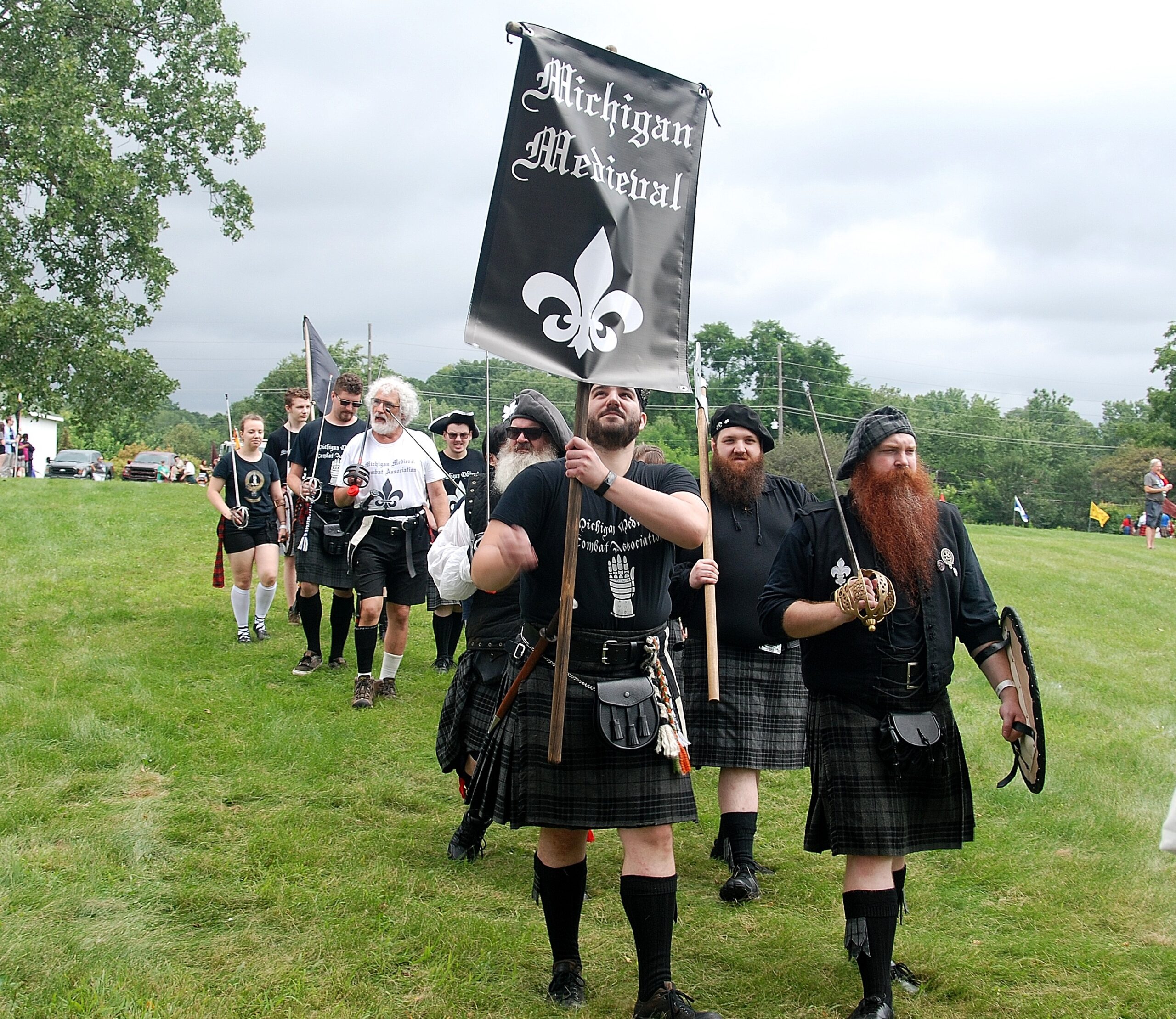
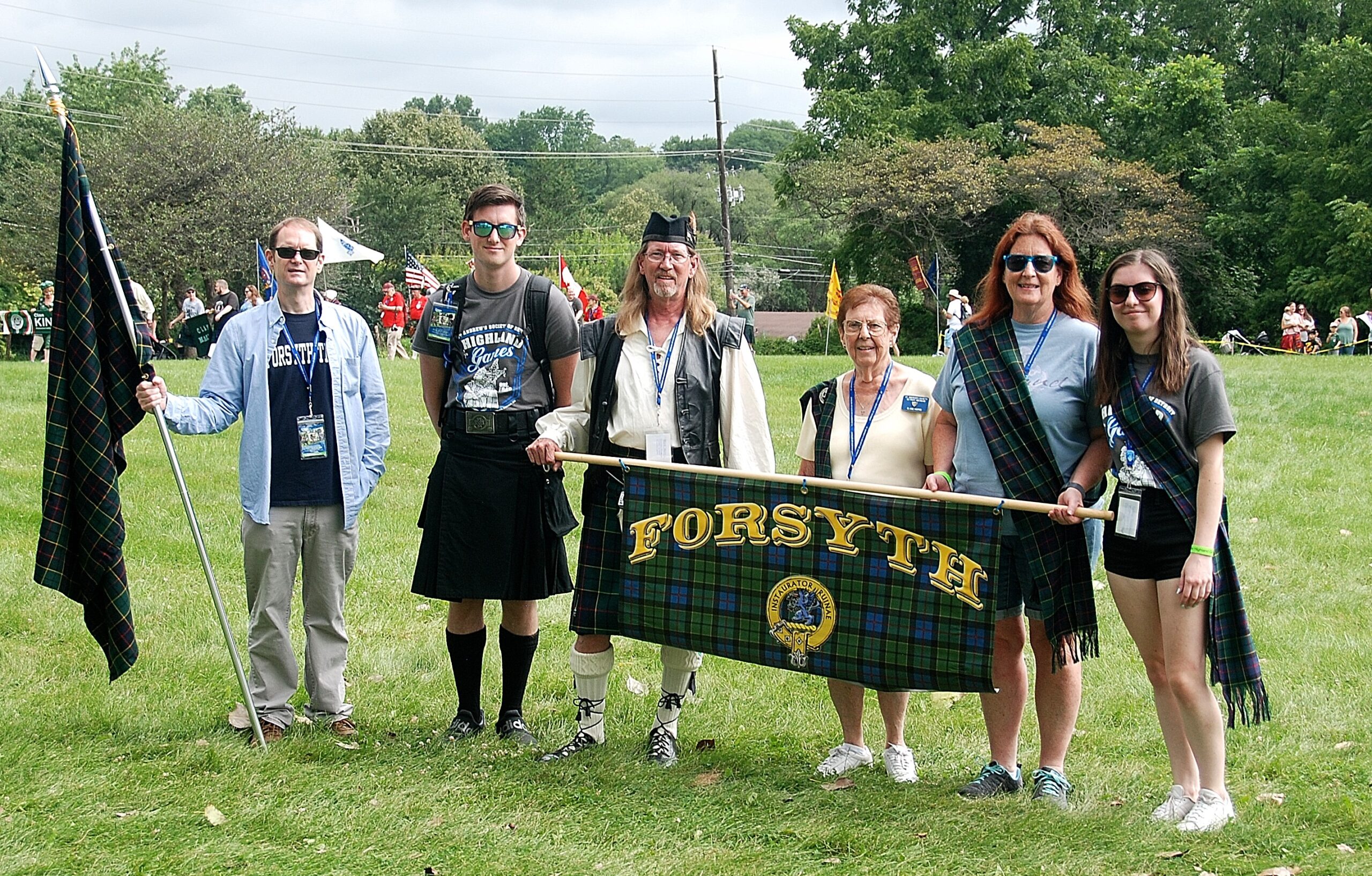
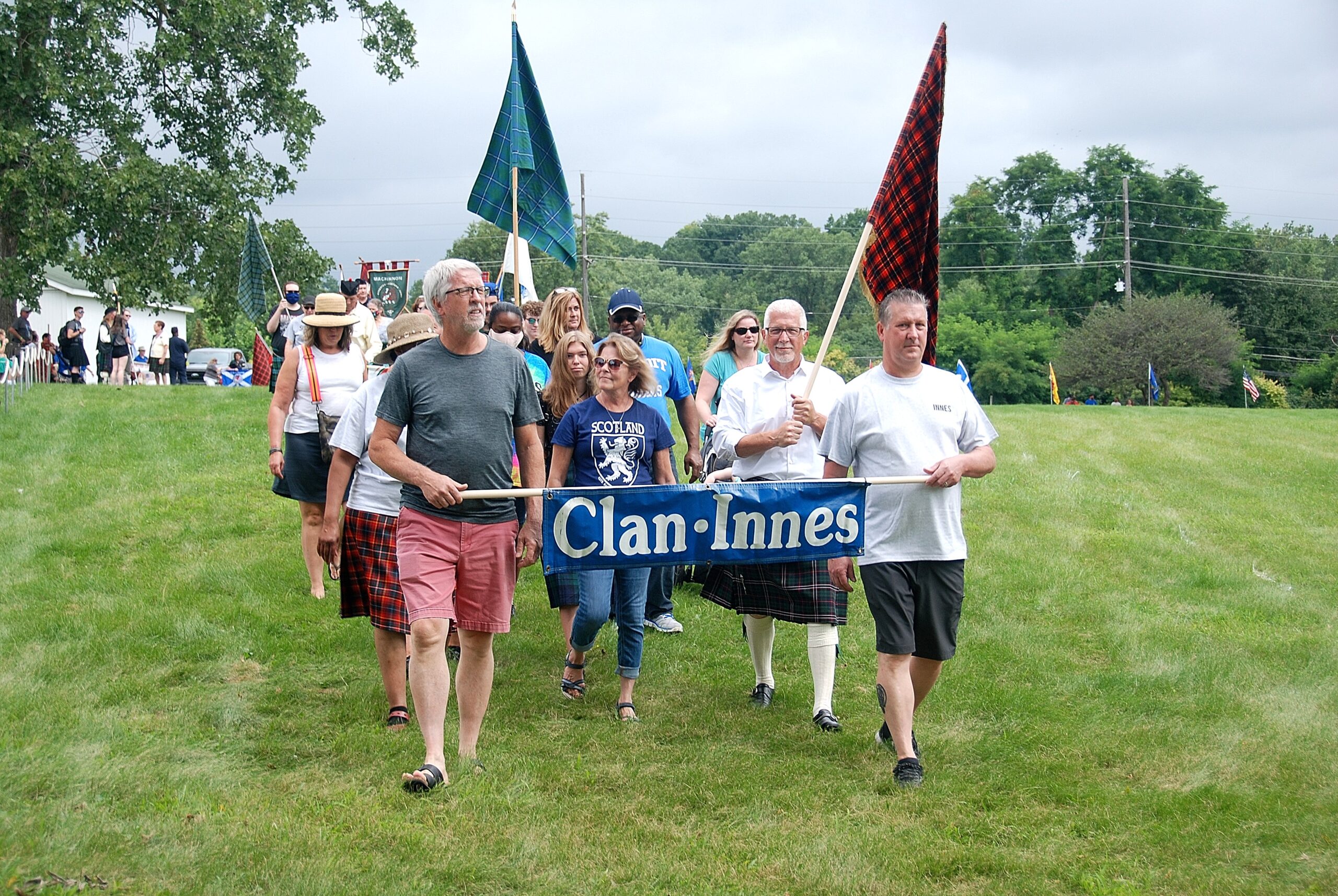
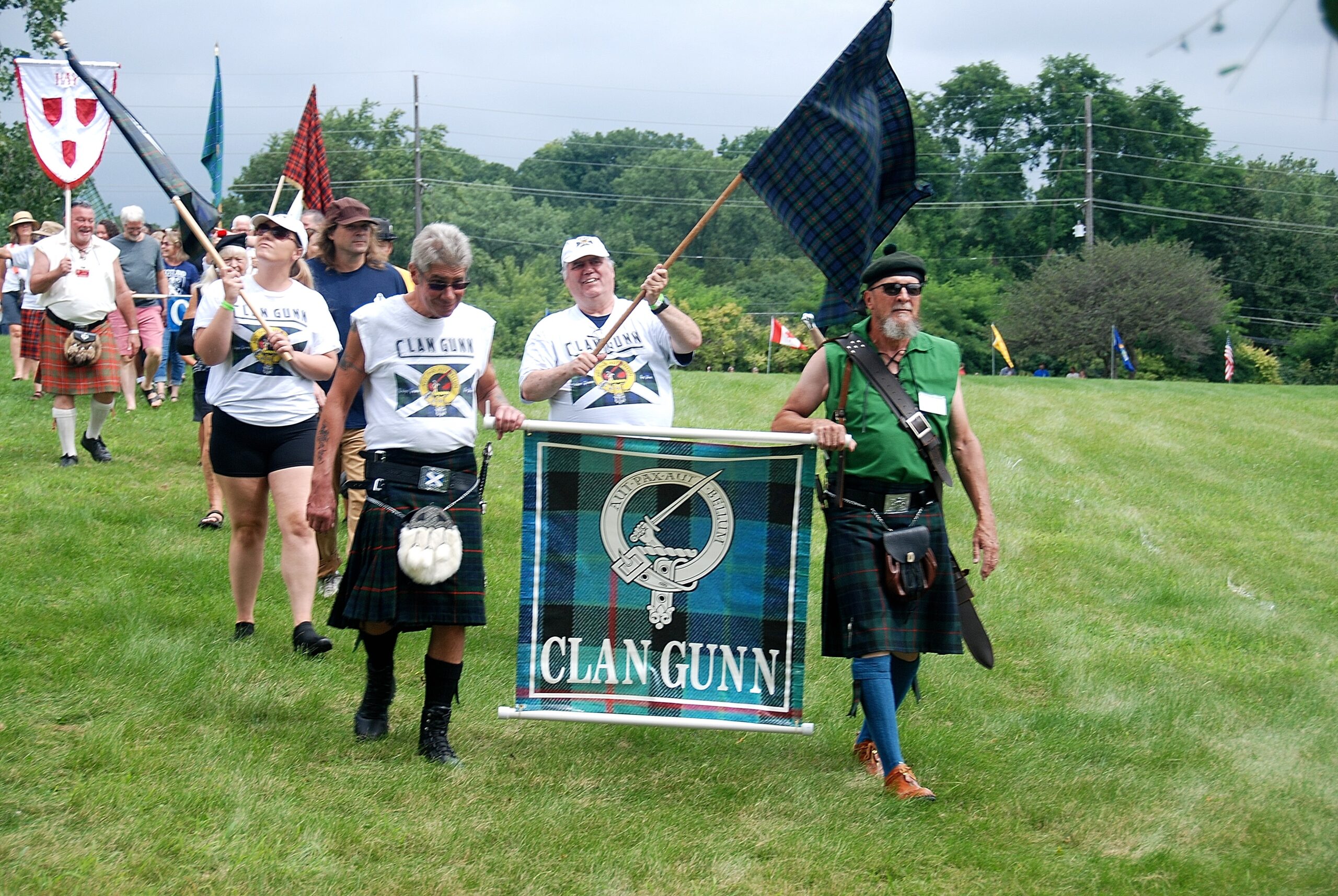
- A procession of clans carrying their tartans
- Bagpipe music and Scottish hymns
- Scripture readings and prayers
- A blessing of tartans and clan representatives
- Recognition of Scottish contributions to the community
Meaning in the Modern World
Today, the Kirkin’ serves several important purposes:
- Cultural Preservation
It helps Scottish diaspora communities maintain connections to heritage, history, and family identity. - Community Building
The ceremony brings together clans, societies, and generations in a shared celebration of ancestry. - Symbolic Identity
Tartans now represent not only ancient clans but also military units, organizations, and even regions—making the ceremony inclusive and evolving. - A Living Tradition
Rather than a relic of the past, the Kirkin’ is an example of how immigrant communities create new traditions that honor old roots.
In short, the Kirkin’ o’ the Tartan is a beautiful blend of myth, history, faith, and modern cultural identity. Though inspired by the struggles of Highland Scotland, it truly flourished as a Scottish-American tradition that continues to thrive today.